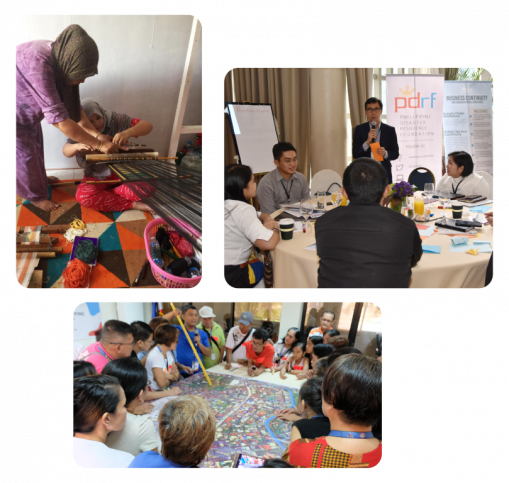
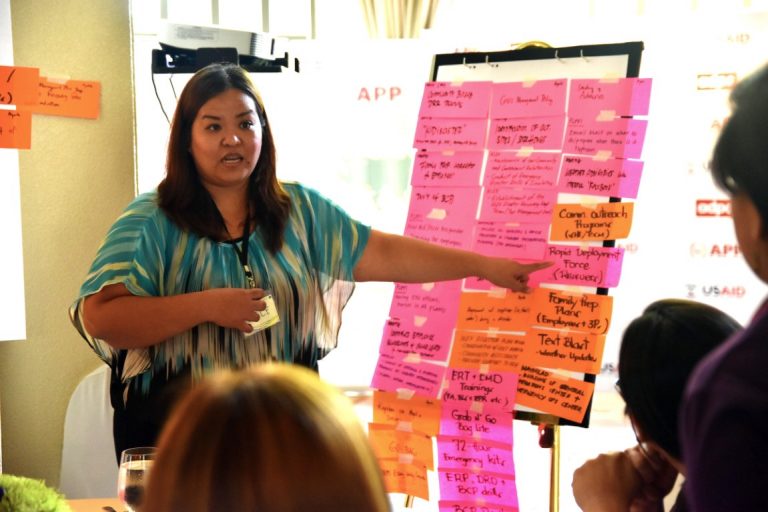
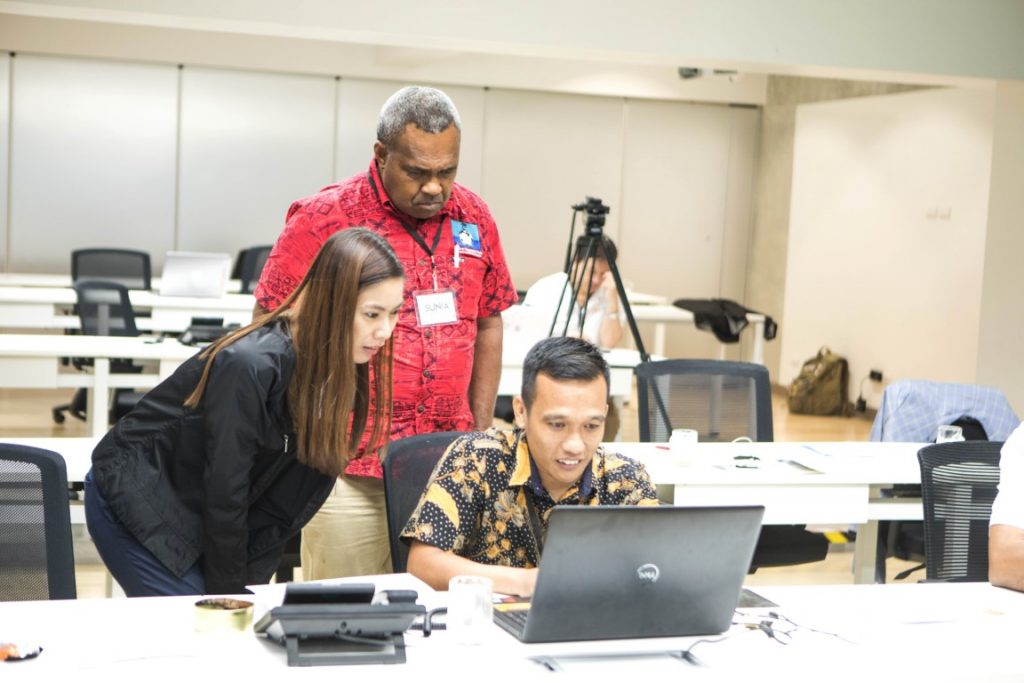
The Development Programs and Innovation Unit serves as a springboard for developing current and emerging programs to promote and support resilience building in the country. Through DPI, PDRF also connects with other local and international network and development partners to promote sharing of knowledge and best practices. Key pillars are Community Resilience, Recovery and Rehabilitation, and Research and Innovation.
Subunits
Community Resilience
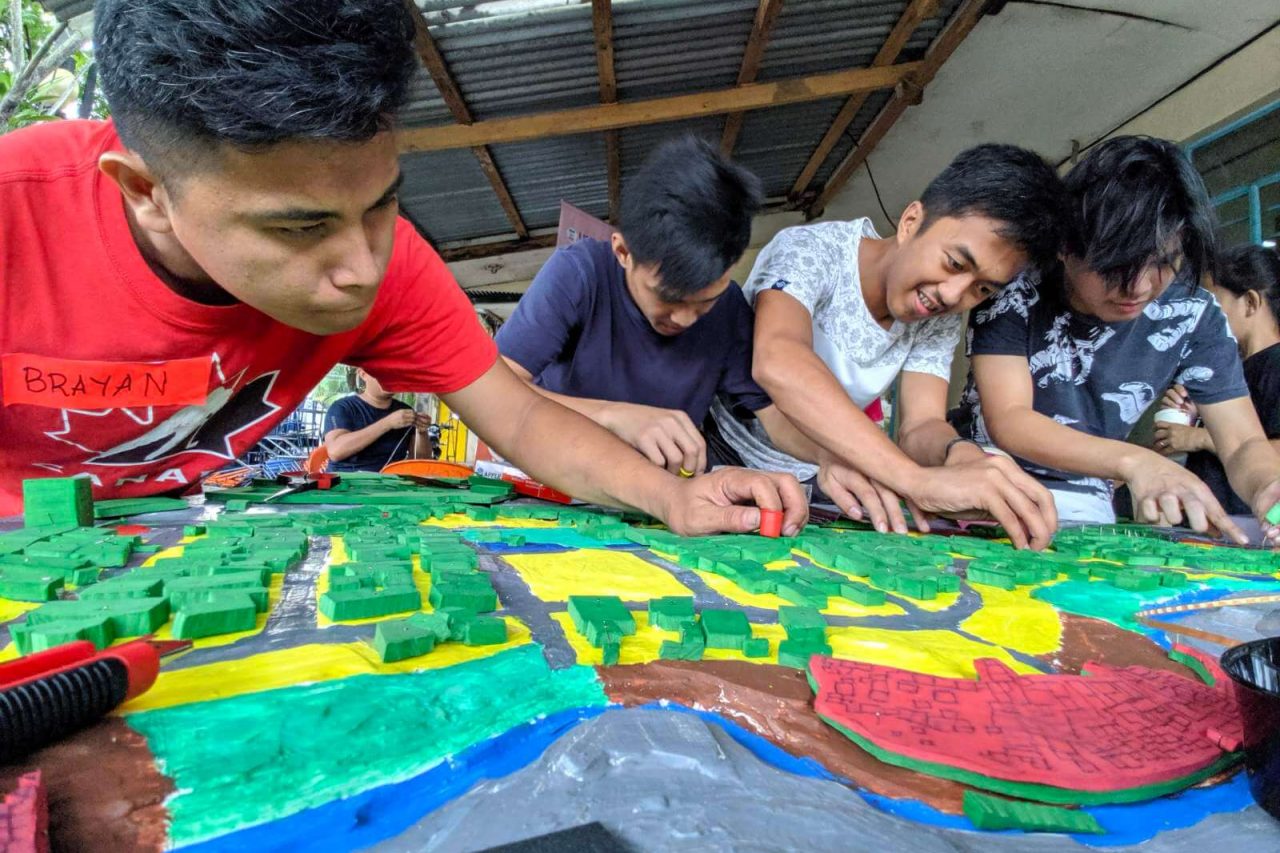
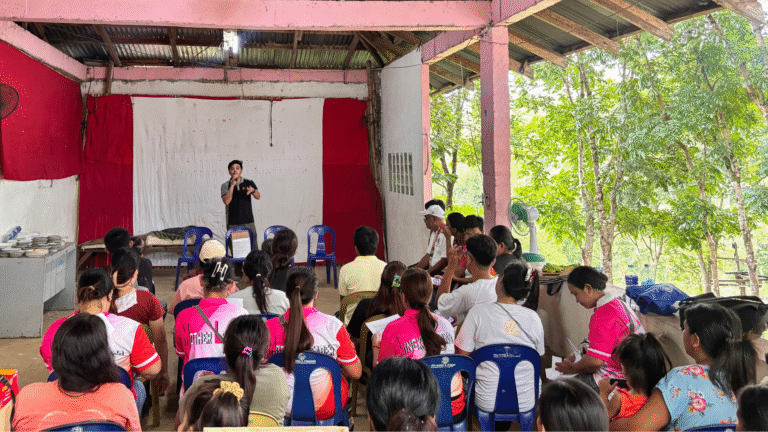
PDRF’s Community Resilience Program empowers communities, including local government units, families, and livelihoods to harness local knowledge and capacities in preparing for, quickly responding do, and recovering from disasters.
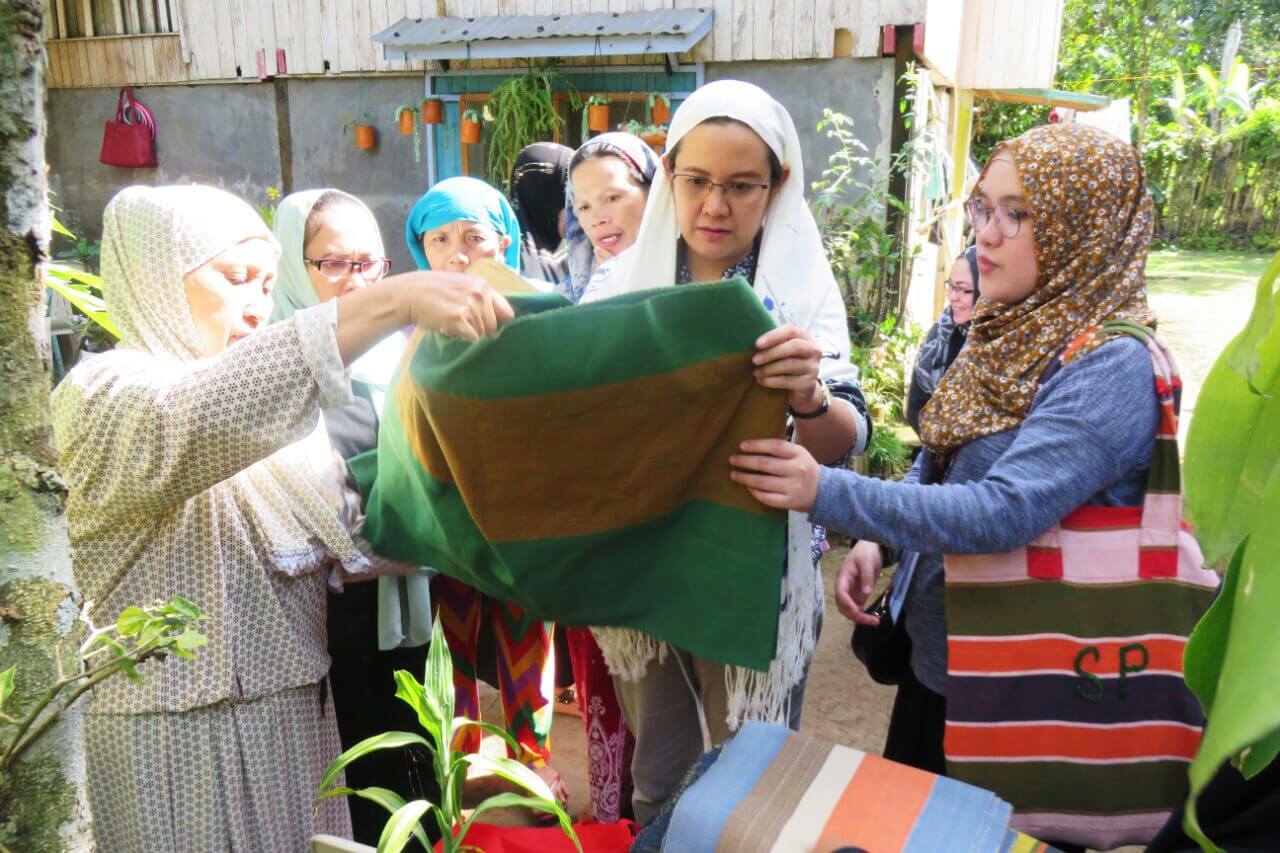
PDRF is at the forefront of post-disaster and post-conflict recovery and rehabilitation initiatives, ensuring that both the short-term and the long-tern needs of affected communities are addressed through projects that work toward sustainability and empowerment.
PDRF supports collaboration within the research and innovation community to encourage better access and support for innovation and community as well as increased investment to DRR-CCA to develop innovations that are both cost-effective and beneficial to all disaster management phases.
Building Resilience Through Inclusive Development and Gender Equality (BRIDGE)
With the Philippines ranked as the most disaster-prone country in the world for four consecutive years by the World Risk Index (2022-2025) due to its high vulnerability and exposure to extreme events, the centrality of water in climate change adaptation is further highlighted thus bringing forward the urgency of the need to improve the water resource management in the country.
As such, the Building Resilience Through Inclusive Development and Gender Equality (BRIDGE) Project aims to enhance the disaster and climate resilience of water-stressed communities provisionally in the cities of Baguio and Antipolo, through improved integrated water resource management.
Climate Resilient Cities
The United States Agency for International Development (USAID) launched the Climate Resilient Cities (CRC), a five-year project that helped six cities in the Philippines to adapt to, mitigate, and fight the impacts of climate change by increasing their access to climate financing and tools to build community resilience and contribute to their economic and social development, and support natural climate solutions.