DIGITAL transformation is a vital tool to cutting red tape and corruption, improving public service and saving lives during disasters, but many local governments are still in the dark on how to do it the right way.
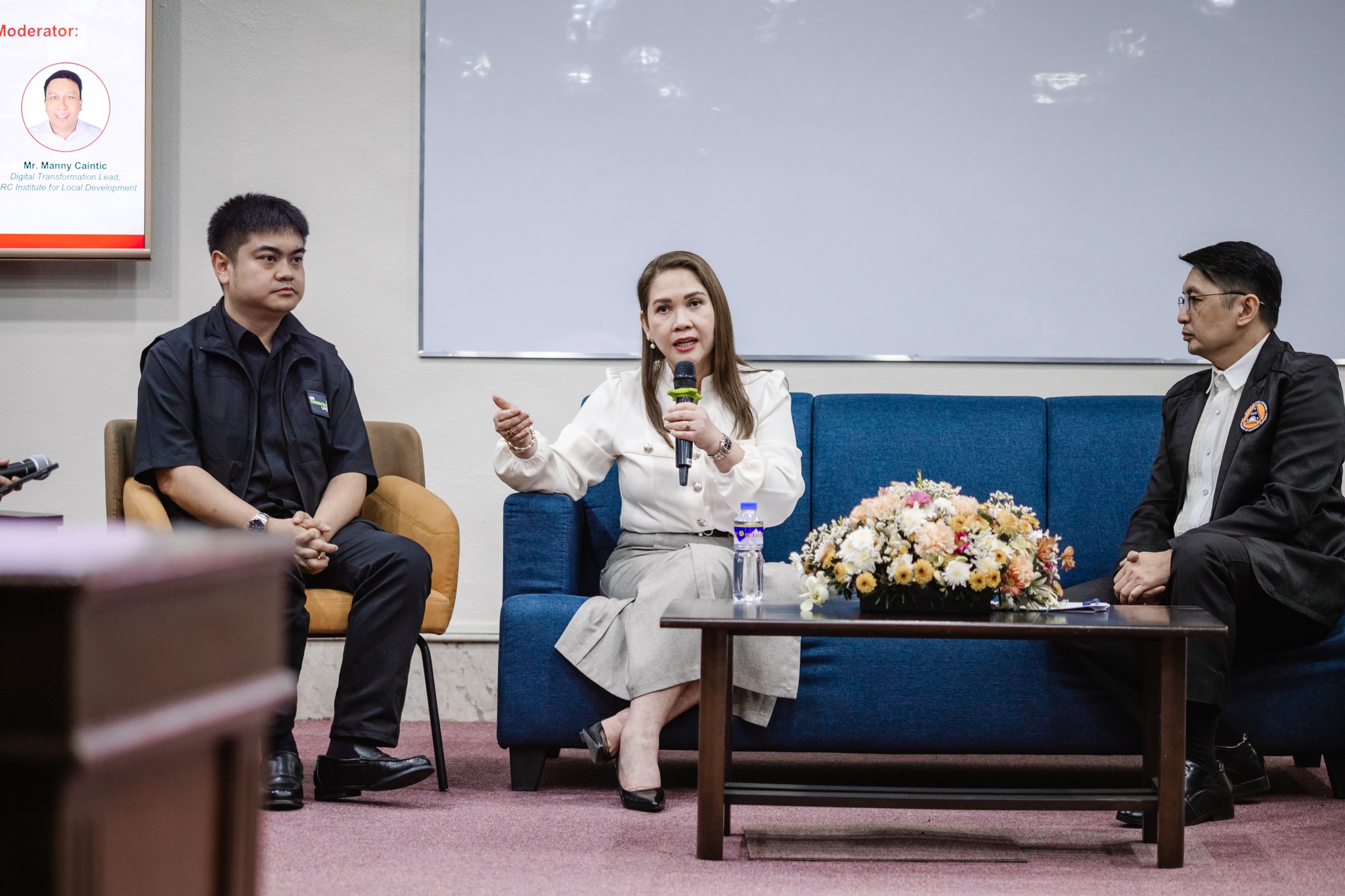
This was the challenge addressed by the forum on “Reimagining Local Governance: Digital Transformation for Local Development” held at the University of Asia and the Pacific or UA&P by the Center for Research and Communication’s Institute for Local Development (CRC-ILD) and finance super app GCash on Feb. 11, 2026.
Speakers from GCash, Khan Academy Philippines and the Quezon City local government showcased initiatives actively addressing bureaucratic red tape, and improving and expanding social services such as education, while the Office of Civil Defense, the Philippine Disaster Resilience Foundation, UK-based philanthropy Unconnected.org and Japan-based AI company Spectee presented their innovative programs supporting resilience building, disaster management and response, and communications especially for the “last mile” — the isolated and low-income communities who remain difficult to reach.
GCash Vice President and Head of Public Sector Cleo Celeste Santos discussed how GCash has worked with many LGUs across the country to improve the “ease of doing business” by enabling seamless digital transactions, reducing opportunities for corruption and processing time.
Quezon City City Administrator Michael Alimurung discussed how the city moved from zero online services in 2019 to 34 online modules offering 241 services today, serving 3.5 million registered accounts and 1.6 million Quezon City ID holders.
CRC founder economist Bernardo Villegas summed up the core challenge and opportunity for LGUs.
Article by The Manila Times
Photo: UA&P Center for Research and Communication